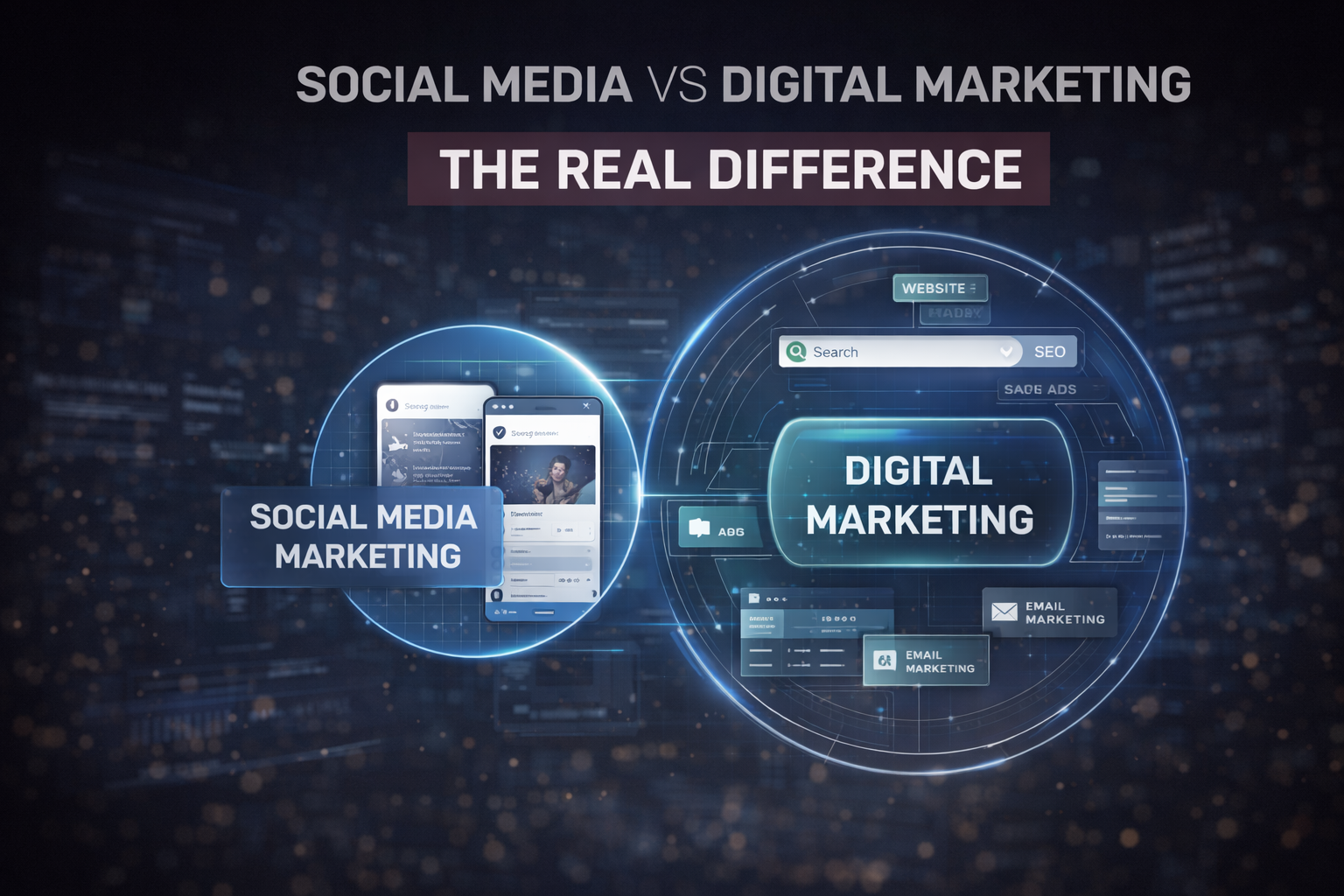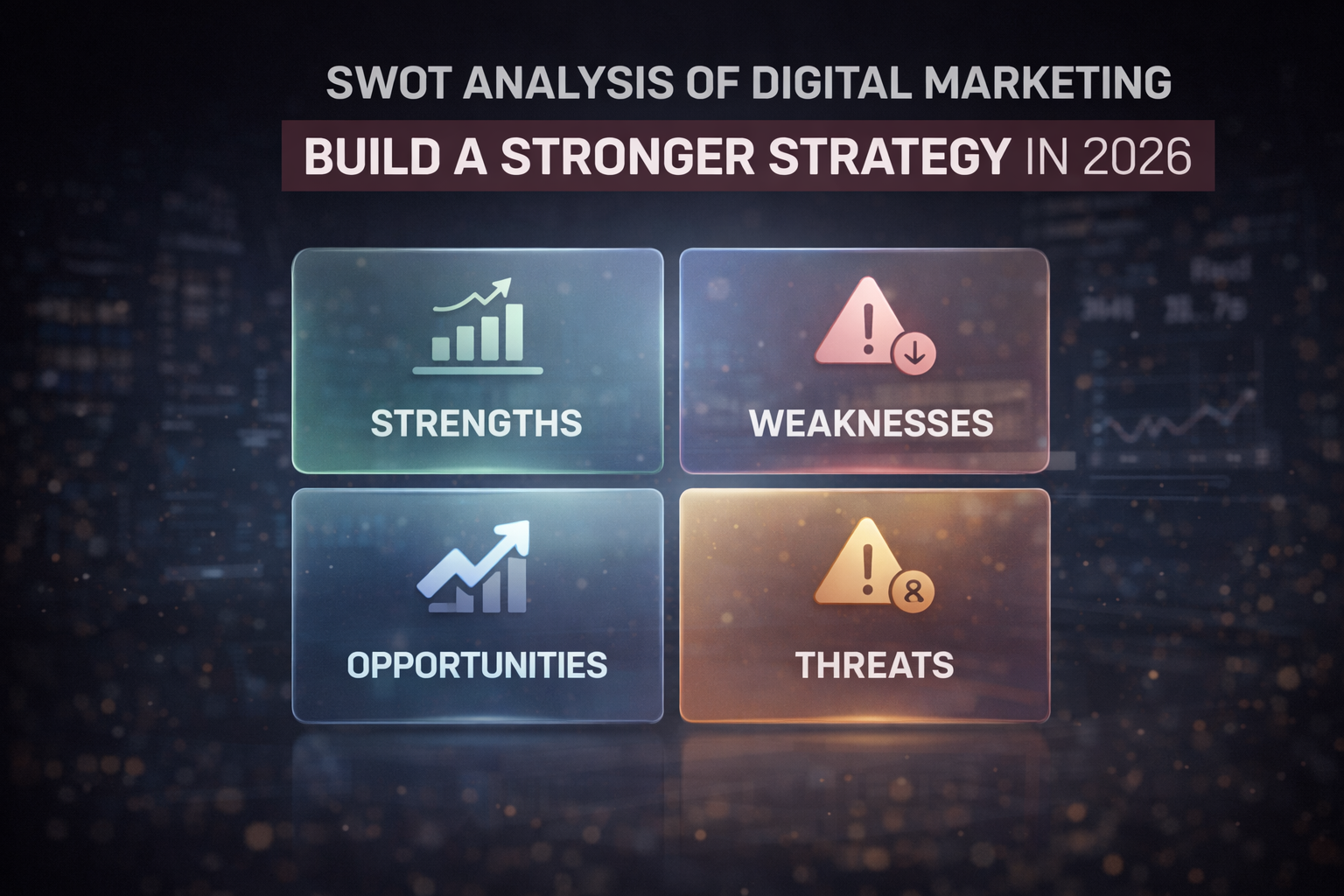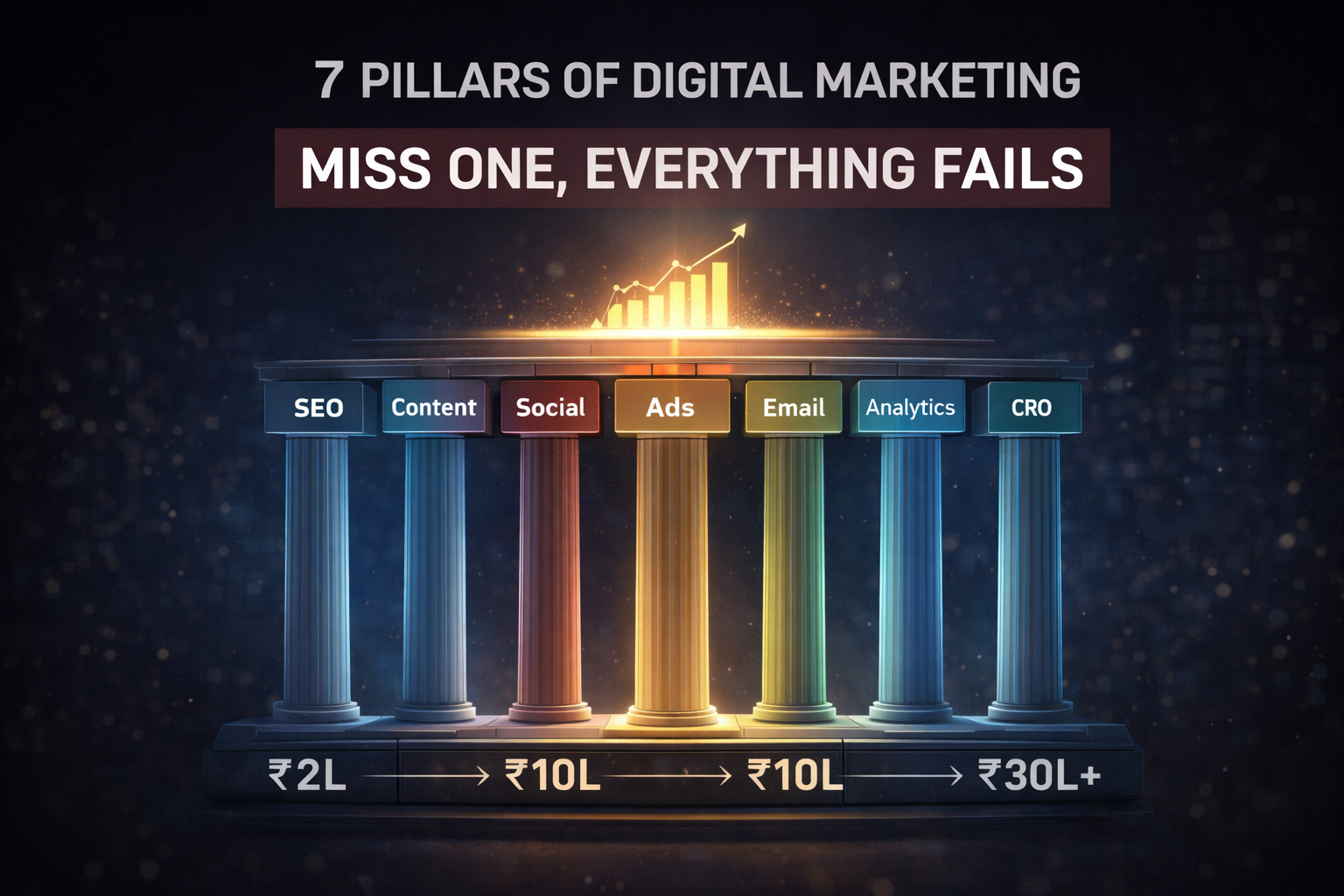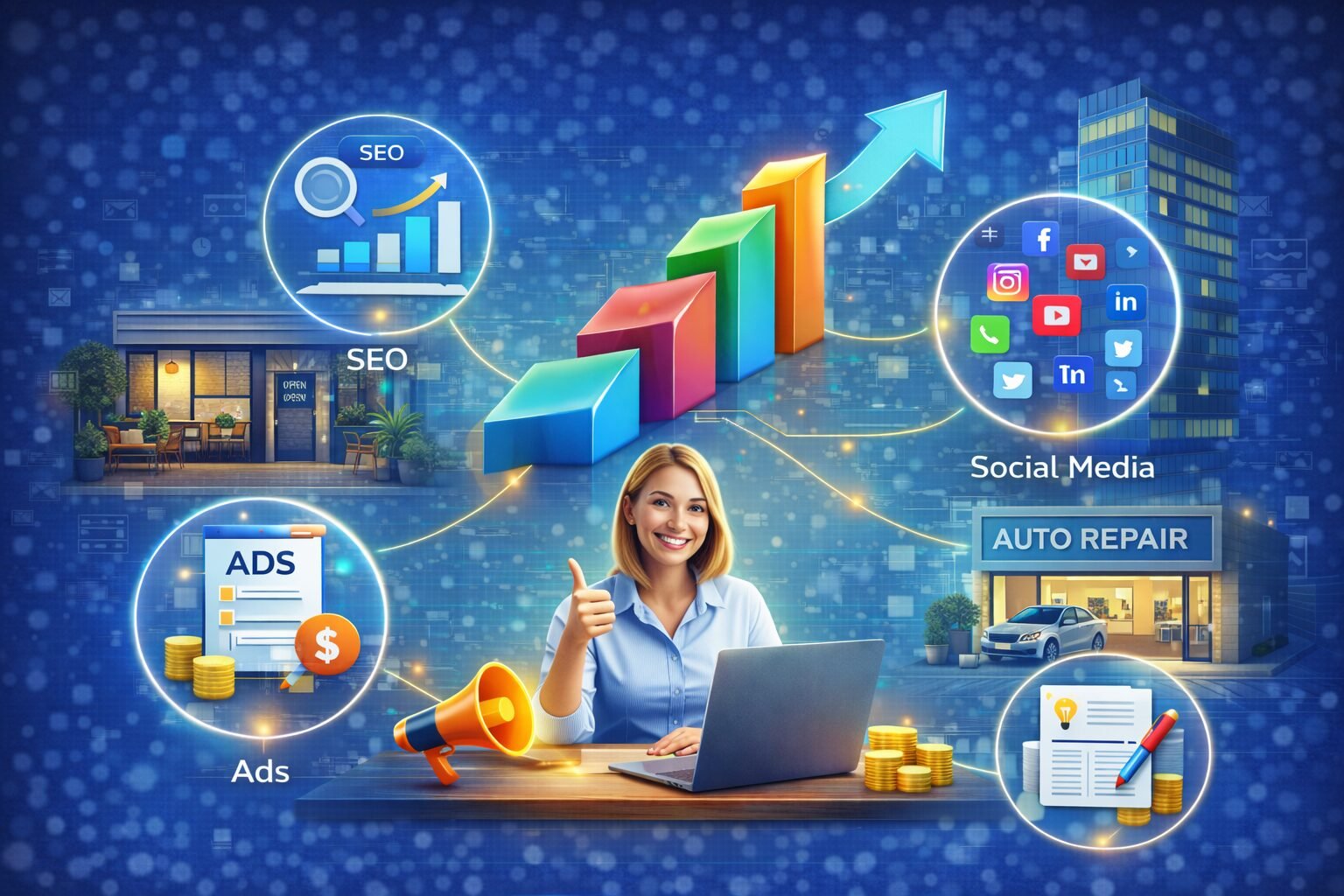
A Digital Marketing Strategy for Small & Medium Businesses is no longer optional in 2026. As consumer behavior shifts toward online research, social media engagement, and mobile-first browsing, businesses that lack a clear digital marketing plan risk losing customers to competitors who are more visible online.
Small and medium-sized businesses (SMBs) now compete in a digital environment shaped by AI-powered tools, personalized experiences, and data-driven marketing decisions. Customers expect fast responses, helpful content, and relevant offers at every stage of their buying journey.
The good news is that SMBs do not need massive budgets to succeed. With the right digital marketing strategy for small & medium businesses, companies can reach the right audience, build trust, and drive consistent growth.
In this guide, we’ll explore the most effective digital marketing strategies SMBs should focus on in 2026.
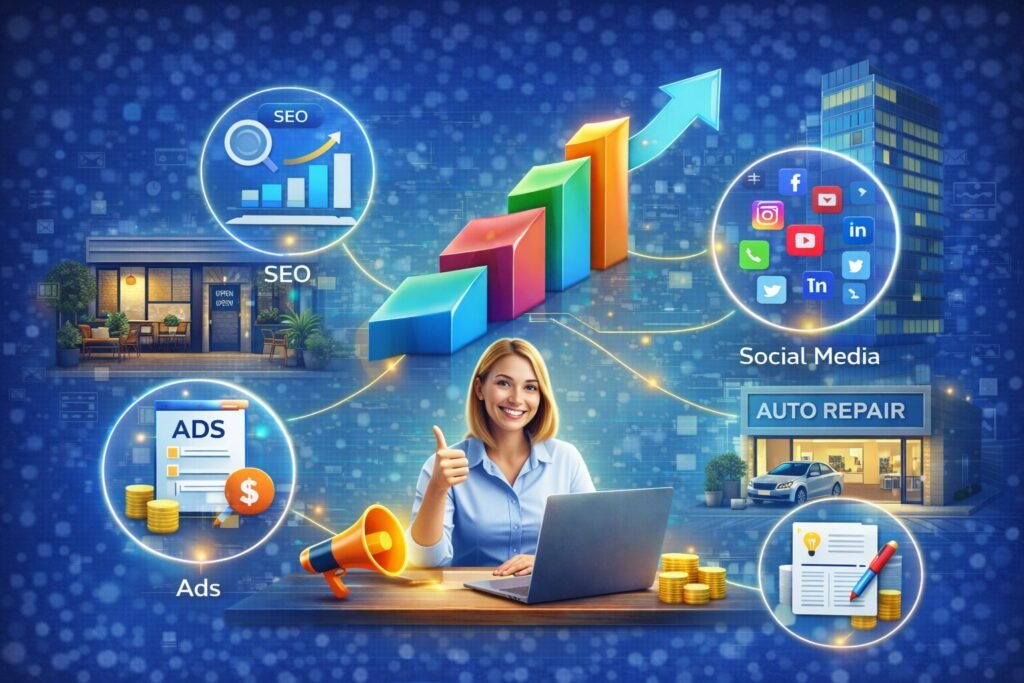
Why Digital Marketing Matters for Small & Medium Businesses in 2026
The digital landscape has evolved rapidly over the past few years. Today, most customers research products and services online before making purchasing decisions. They compare brands, read reviews, watch videos, and interact with businesses on social media.
For SMBs, digital marketing provides a powerful way to compete with larger companies.
Key reasons SMBs need a digital marketing strategy
- Increased competition across online markets
- Growing reliance on search engines and reviews
- Rising demand for personalized customer experiences
- Increased mobile and social media usage
A well-planned digital marketing strategy for small & medium businesses helps organizations attract qualified leads, build brand awareness, and convert visitors into loyal customers.
Core Elements of a Successful Digital Marketing Strategy
Before launching campaigns or posting content online, businesses must first build a strong strategic foundation.
1. Define Clear Business Goals
Every successful marketing strategy begins with clear objectives. Without goals, it becomes difficult to measure whether your marketing efforts are working.
Common marketing goals include:
- Increasing website traffic
- Generating more leads
- Improving online sales
- Building brand awareness
- Retaining existing customers
Many marketers use SMART goals specific, measurable, achievable, relevant, and time-bound to track progress and evaluate success.
2. Understand Your Target Audience
A strong digital marketing strategy for small & medium businesses must focus on the right audience.
Businesses should develop buyer personas that represent their ideal customers. These personas typically include:
- Age and demographics
- Geographic location
- Interests and online behavior
- Pain points and challenges
Understanding your audience allows you to create content and campaigns that address real customer needs rather than generic messaging.
3. Analyze Your Competitors
Competitor analysis helps businesses understand what others in their industry are doing online.
You should evaluate:
- Competitor websites
- Content topics and blogs
- Social media strategies
- Advertising campaigns
The goal is not to copy competitors but to identify gaps and opportunities where your business can provide more value.
Build a Strong Website Foundation
Your website is the central hub of your digital marketing strategy. All marketing activities including SEO, paid ads, social media, and email campaigns eventually direct users to your website. If your website is slow, confusing, or difficult to navigate, even the best marketing campaigns will struggle to convert visitors.
Important website optimization factors
- Mobile-friendly design
- Fast loading speed
- Clear navigation
- Simple contact forms
- Strong call-to-action (CTA)
Mobile optimization is particularly important since a large portion of internet browsing and online purchases now occur on mobile devices.
A well-designed website improves user experience and increases conversion rates.
SEO and Content Marketing for Long-Term Growth
Search engine optimization (SEO) remains one of the most effective digital marketing channels for SMBs. Unlike paid advertising, SEO generates long-term organic traffic by helping your website rank higher in search engine results.
Modern SEO strategies include
- High-quality content creation
- Technical SEO improvements
- Local SEO optimization
- Voice search optimization
- AI-powered search adaptation
Businesses that invest in SEO gain continuous visibility and attract customers who are actively searching for their services.
Content Marketing Builds Trust
Content marketing plays a major role in digital marketing success.
Effective content formats include:
- Blog articles
- Guides and tutorials
- Case studies
- Videos and reels
- FAQs
Content helps educate potential customers and positions your business as an authority in your industry. Studies show that businesses using content marketing experience higher engagement and increased customer trust.
Social Media Marketing for Customer Engagement
Social media has evolved into one of the most important marketing channels for small businesses. Instead of focusing only on promotions, modern social media marketing emphasizes community building and authentic engagement.
Best practices for social media marketing
- Choose platforms where your audience is active
- Share helpful and entertaining content
- Use short-form videos and live sessions
- Respond to comments and messages quickly
Platforms like Facebook, Instagram, LinkedIn, and YouTube allow businesses to interact with customers directly and build long-term relationships.
Paid Advertising for Faster Results
While SEO and organic marketing strategies take time, paid advertising can deliver immediate visibility and traffic.
Popular paid marketing channels include:
- Google Ads
- Facebook and Instagram Ads
- YouTube Ads
- LinkedIn Ads
The key to success is not spending large amounts of money but optimizing campaigns effectively.
Paid advertising best practices
- Start with a small budget
- Target the right audience
- Test different ad creatives
- Monitor campaign performance
Well-managed paid campaigns can generate leads quickly while supporting long-term marketing strategies.
Marketing Automation and AI in Digital Marketing
Artificial intelligence and automation are transforming the way businesses manage marketing campaigns.
AI-powered tools can help with:
- Customer support chatbots
- Personalized email campaigns
- Predictive analytics
- Content recommendations
Automation allows SMBs to deliver personalized experiences at scale without requiring large teams. In fact, AI-driven chatbots are expected to handle a significant portion of customer interactions in the coming years.
Local SEO and Hyperlocal Marketing
For many small businesses, local visibility is crucial. Local SEO ensures that your business appears in search results when nearby customers look for relevant products or services.
Local SEO strategies include
- Optimizing your Google Business Profile
- Collecting customer reviews
- Maintaining consistent business information
- Using location-based keywords
Nearly half of online searches are related to local information, making local SEO an essential part of a digital marketing strategy for SMBs.
Email Marketing for Lead Nurturing
Email marketing remains one of the highest ROI marketing channels.
Businesses can use email marketing to:
- Follow up with leads
- Send promotions and offers
- Share helpful content
- Recover abandoned carts
Automated email campaigns help businesses maintain consistent communication with prospects and customers. Personalized email subject lines and targeted messaging significantly improve open rates and conversions.
Common Digital Marketing Mistakes SMBs Should Avoid
While digital marketing offers tremendous opportunities, many businesses struggle due to common mistakes.
Mistakes to avoid
- Relying on only one marketing channel
- Ignoring data and analytics
- Using low-quality or copied content
- Not optimizing websites for mobile users
- Treating marketing as a short-term activity
Successful businesses view digital marketing as a long-term strategy that requires continuous optimization.
Conclusion
The digital landscape in 2026 is more competitive than ever. Businesses that want to grow must adopt a clear and effective Digital Marketing Strategy for Small & Medium Businesses. By combining SEO, content marketing, social media engagement, paid advertising, automation, and data-driven decision-making, SMBs can build strong online visibility and attract high-quality customers. Digital marketing success does not happen overnight. However, businesses that invest in the right strategies today will build sustainable growth for years to come.
How Dizispark Can Help You
At Dizispark, we specialize in Google Ads and Meta Ads solutions, ensuring that your advertising campaigns meet the performance standards required for consistent business growth. Our services include keyword research, audience targeting, creative ad development, conversion tracking setup, and campaign optimization to help businesses generate quality leads and maximize ROI. With our data-driven strategies and experienced team, we help businesses scale profitably while following platform best practices.
Let Dizispark help you implement the right digital marketing strategy for small & medium businesses and achieve measurable growth in 2026.
FAQ
1. What is a digital marketing strategy for small & medium businesses?
A digital marketing strategy for small & medium businesses is a structured plan that uses online channels like SEO, social media, paid ads, and email marketing to reach target audiences and achieve business goals.
2. Why is digital marketing important for SMBs in 2026?
Digital marketing helps SMBs compete with larger brands, reach customers online, and generate leads through search engines, social media platforms, and targeted advertising.
3. Which digital marketing channel works best for small businesses?
The best channels depend on your business goals, but SEO, social media marketing, paid advertising, and email marketing are among the most effective strategies.
4. How long does it take to see results from digital marketing?
Paid advertising can deliver results quickly, while SEO and content marketing typically require several months to generate consistent traffic.
5. What is the most cost-effective digital marketing strategy?
SEO and content marketing are considered highly cost-effective because they generate long-term organic traffic without continuous advertising costs.